
1. Who Was King Sejong?
King Sejong the Great (1397–1450) was the fourth ruler of the Joseon Dynasty and one of the most respected kings in Korean history. His real name was Yi Do, and he ruled for 32 years after ascending the throne at age 22.
Sejong wasn’t just a monarch — he was a scientist, linguist, and visionary leader.
He believed that knowledge and innovation could make life better for ordinary people.
In short, King Sejong’s reign was built on a simple but powerful belief:
“A nation’s strength comes from the happiness and wisdom of its people.”
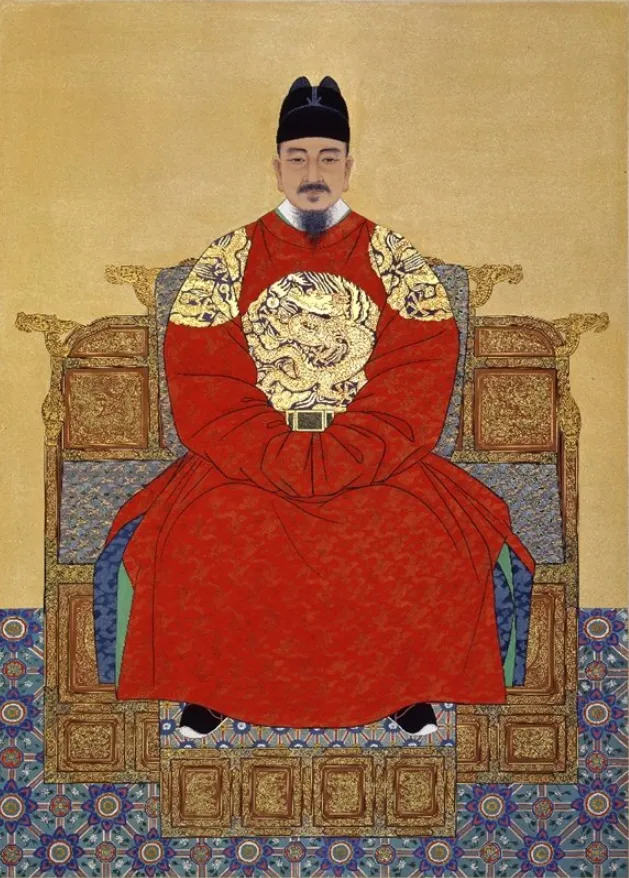
2. A King Who Ruled for the People
Sejong’s philosophy was rooted in minbon (民本), the idea that the people are the foundation of the nation.
He viewed himself not as a ruler with absolute power but as a problem-solver and servant leader.
His royal court functioned like a research lab, where scholars gathered to discuss ideas, conduct experiments, and design better systems. If he lived today, King Sejong would be a “startup CEO–type leader” — curious, open-minded, and data-driven.
3. King Sejong’s Greatest Achievements
(1) Creation of Hangul — A Language for Everyone
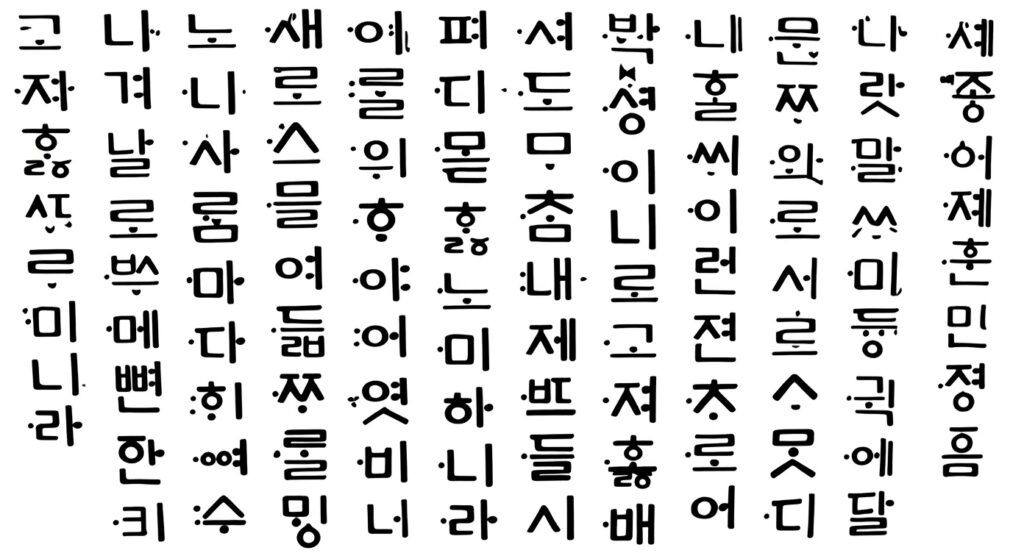
King Sejong’s most celebrated achievement is the creation of Hangul, originally called Hunminjeongeum, in 1443.
At that time, Korea used Classical Chinese, which only the educated elite could read and write.
Common people were effectively voiceless. Sejong sought to change that.
The word Hunminjeongeum means “the correct sounds to teach the people.”
In other words, he wanted to create a system that allowed every person to read, write, and express their thoughts freely.
📖 King Sejong once said,
“I created these letters so that the people may learn easily and express their hearts.”
Hangul is a scientific writing system — consonants are modeled after the shape of the mouth and tongue, and vowels represent the harmony of heaven, earth, and man. Today, linguists around the world call Hangul “the most logical and scientific alphabet ever created.”
(2) Scientific and Technological Innovation
King Sejong discovered and nurtured geniuses like Jang Yeong-sil, leading major state-funded scientific projects.
- Cheugugi (Rain Gauge): The world’s first device for measuring rainfall
Invented in 1441, the Cheugugi was used to measure rainfall accurately. This helped farmers plan for droughts and floods — centuries before other countries had such technology. It’s recognized as the first rain gauge in the world.

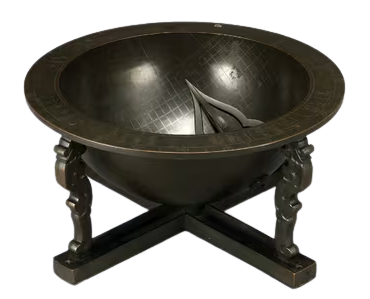
- Angbuilgu: A sundial used for precise timekeeping
The Yangbu Ilgu was a sundial small enough to carry — kind of like an ancient smartwatch! People could check the time using the sun’s shadow, showing how practical Sejong’s inventions were.
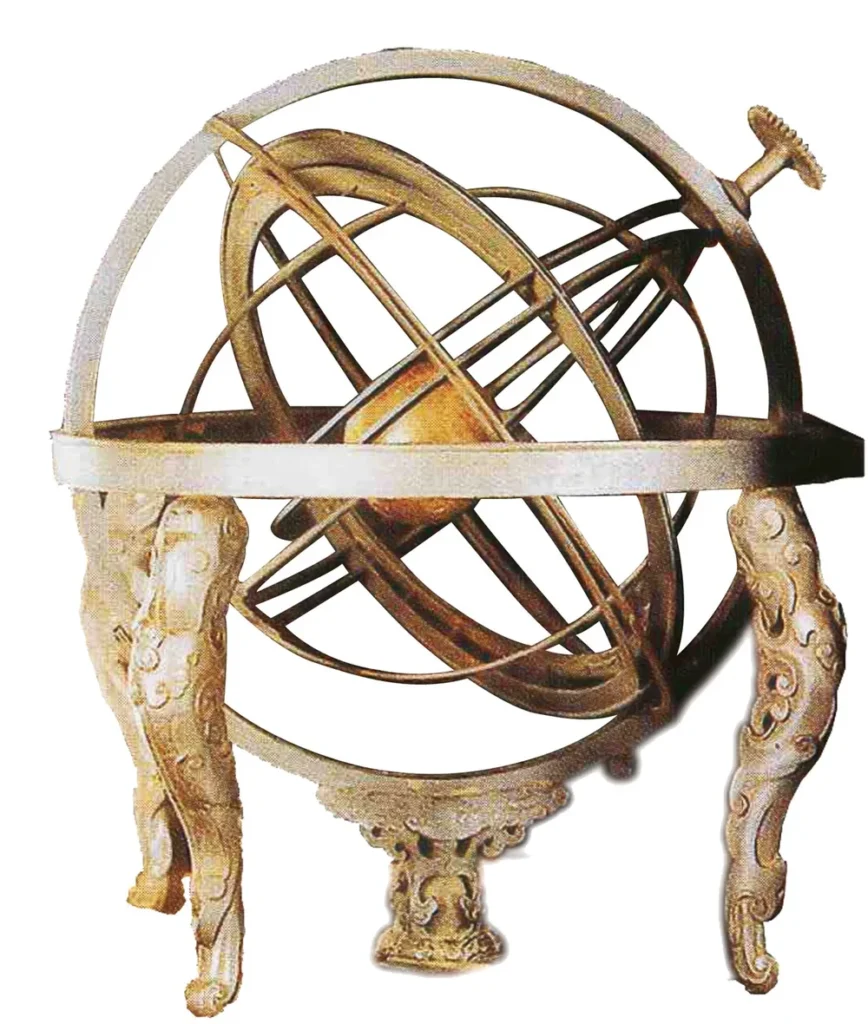
- Honcheonsigye: An astronomical observation device
This complex device modeled the movement of the sun, moon, and stars. It was used to study astronomy and improve calendars. It proved that Korea’s scientists had one of the most advanced understandings of space in their time.
- Jagyeokru: An automated water clock
This automatic water clock could measure time precisely and even ring a bell automatically to announce the hour. It was like a 15th-century alarm clock — no batteries needed!

These weren’t just inventions — they were tools for governance, agriculture, and public service.
Sejong understood that “to govern the land, one must first understand the sky.”
🌾 In modern terms, he was not just a king — he was also the Minister of Science and the head of the Meteorological Agency!
(3) Agricultural and Administrative Reforms
To help farmers, Sejong commissioned the publication of “Nongsajikseol” (Guide to Farming), a comprehensive agricultural manual adapted to local climates and soil types. He also modernized the legal and bureaucratic systems, ensuring faster and fairer trials for the common people. His reign made daily life more stable and just — an early model of “good governance.”
(4) Advancement of Music and Culture
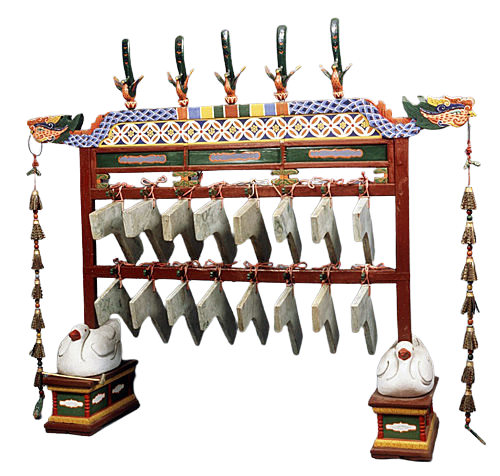
Sejong was also a patron of music and the arts.
He standardized court music, developed new instruments, and even created ceremonial music for diplomatic events.
Through culture, he raised the dignity and identity of the Joseon Dynasty.
4. King Sejong’s Leadership Style — Wisdom and Humility
King Sejong was known for his humility.
He often said, “If I do not know something, I will learn from my scholars.”
To empower knowledge, he established the Hall of Worthies (Jiphyeonjeon), where young intellectuals could freely research and debate. This environment of collaboration and curiosity led to a golden age of innovation in politics, science, and culture. His leadership remains a timeless example of open-mindedness, teamwork, and practical intelligence.
5. The Legacy of King Sejong
King Sejong left behind more than inventions — he left a philosophy: “Knowledge and technology should serve the people.” His creation of Hangul remains a cornerstone of Korean identity and one of humanity’s greatest cultural achievements. His dedication to science and education continues to inspire Korea’s modern innovation culture.
💬 Simply put,
King Sejong wasn’t just the “king who made an alphabet” —
he was a visionary who redesigned society around knowledge, equality, and communication.
Why King Sejong Still Matters Today
In the age of AI and digital transformation, King Sejong’s spirit feels more relevant than ever.
He believed in technology with a purpose — one that connects and empowers people, not divides them.
That’s why Hangeul Day (October 9) is more than just a holiday; it’s a celebration of human creativity, equality, and freedom of expression.