
Introduction
Hangul, the Korean alphabet, is one of the most scientific and easy-to-learn writing systems in the world. Created in the 15th century by King Sejong the Great, Hangul was designed to promote literacy among ordinary people. In this post, you’ll explore the brilliance of Hangul, its creation, and practical tips to start reading and writing Korean today.
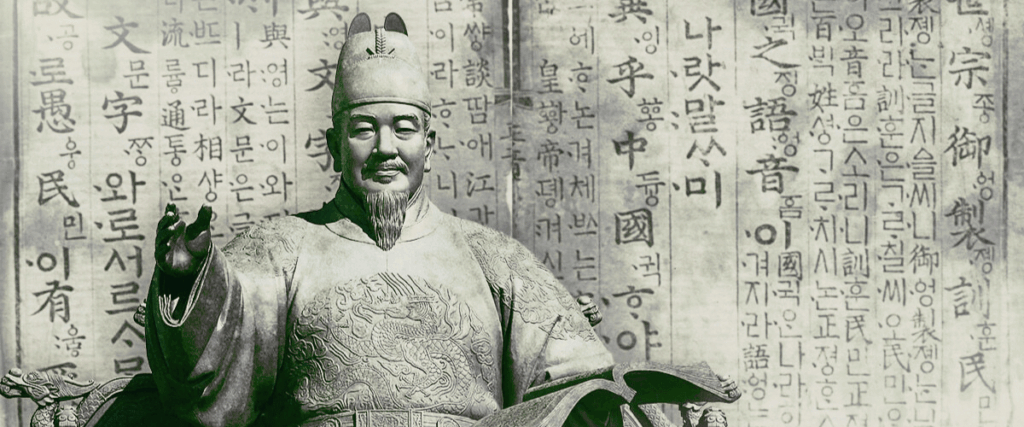
The Creation of Hangul
Before Hangul, Koreans used Hanja, Chinese characters, which were complex and difficult for common people. King Sejong realized the need for a simple, phonetic writing system. In 1443, he and a team of scholars invented Hangul, originally called Hunminjeongeum, meaning “The Correct Sounds for the Instruction of the People.” Hangul is composed of 14 consonants and 10 vowels, designed to match the shape of the mouth and tongue when pronouncing sounds.
Suggested Internal Links:
- Link to a post about King Sejong’s life and achievements.
- Link to Korean history or Joseon dynasty articles.
Why Hangul is Unique
- Scientific Design: Consonants reflect mouth shapes when speaking.
- Phonetic System: Consistent pronunciation makes learning easier.
- Ease of Learning: Basic reading can be mastered in days.
Suggested Image: Diagram showing how Hangul consonants mimic mouth shapes.
How to Read and Write Hangul
Hangul syllables combine consonants and vowels:
- ㄱ (g/k) + ㅏ (a) = 가 (ga)
- ㅂ (b/p) + ㅗ (o) + ㄴ (n) = 본 (bon)
Practical Tips:
- Start with vowels—they are easier to memorize.
- Use apps like Duolingo or Talk To Me In Korean for interactive learning.
- Practice with street signs, menus, and subway stations for real-life experience.
Suggested Internal Links:
- Beginner Hangul lessons
- Korean travel guides
Travel Tip: Experience Hangul in Korea
Visiting Korea allows immersion in Hangul culture. Explore Insadong in Seoul for traditional signs or read maps in Seoul Metro. Even ordering food becomes more engaging when you can read Hangul.
Suggested Image: Street view of Insadong signs, subway maps with Hangul.
Suggested Internal Links: Korea travel itineraries, Seoul Metro guide.
Conclusion
Hangul is more than a writing system—it’s a gateway to Korean culture. Its logic and simplicity make it accessible to everyone. Learning Hangul unlocks authentic experiences, from reading menus to understanding historical texts.
Meta description:
Discover Hangul, Korea’s unique and easy-to-learn alphabet created by King Sejong. Learn how to read, write, and explore Korean culture effortlessly.
Suggested tags:
Hangul, Korean language, King Sejong, Korean culture, Learn Korean